SynCardia Total
Artificial Heart
Saving lives,
One HEart at time
For Patients & Caregivers
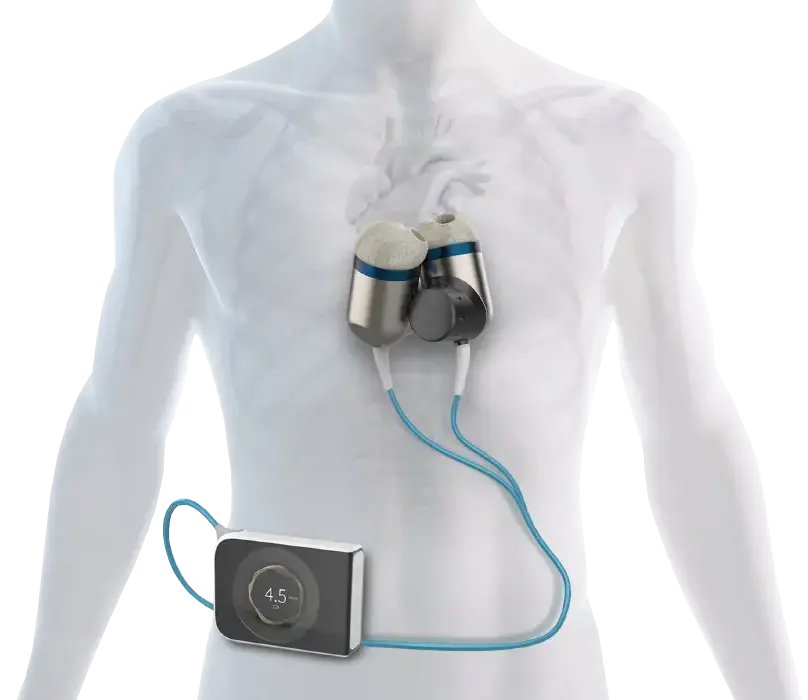
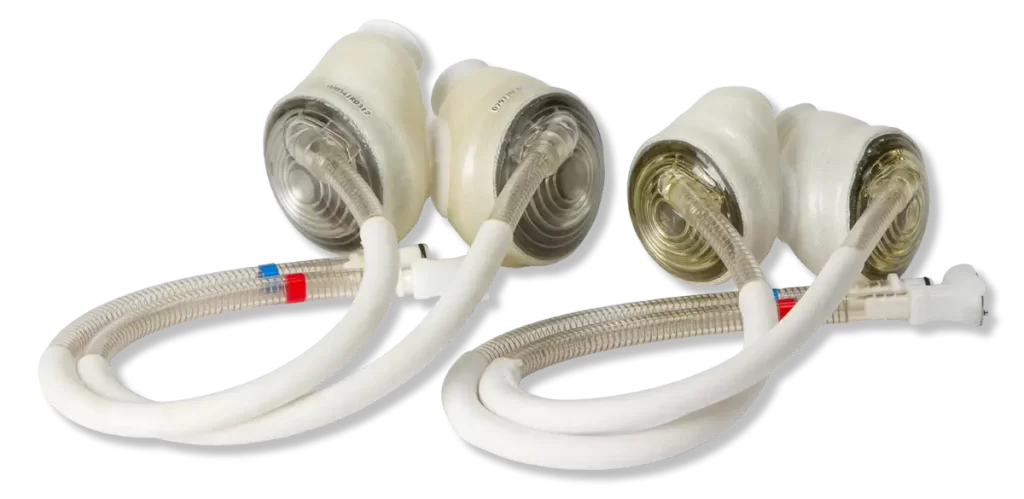
Living with advanced heart failure can feel overwhelming. When the heart is no longer able to pump enough blood to support the body, some patients may be evaluated for advanced therapies such as the SynCardia Total Artificial Heart (STAH). The STAH is an FDA-approved device designed to completely replace the native ventricles and support blood circulation in eligible patients with end-stage biventricular heart failure, typically as a bridge to transplant in the United States and Canada. This page is designed to help patients and caregivers better understand the therapy, what to expect, and where to find support.
What is the STAH?
The SynCardia Total Artificial Heart is a mechanical circulatory support device that replaces both failing ventricles of the heart.
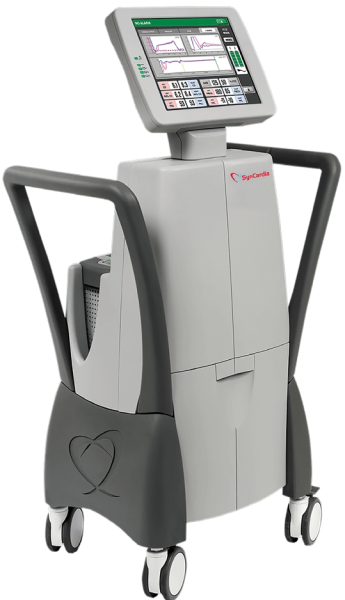
It is used in patients with severe biventricular heart failure when other treatments are no longer effective and a heart transplant is being considered.The device is typically used in hospital settings and works in coordination with external drivers that regulate pumping function and support circulation.
Is this therapy right for me or my loved one?
Patients may be evaluated for the STAH if they have:
- End-stage heart failure affecting both sides of the heart
- Limited or no response to medical therapy
- Conditions where a heart transplant is being considered or anticipated
- Certain diagnoses such as cardiomyopathy, myocarditis, congenital heart disease, or device failure, among others (as determined by the care team)
- Eligibility is determined by a specialized advanced heart failure or transplant team based on clinical evaluation.
Living with the STAH
- Advanced heart failure cardiologists
- Cardiothoracic surgeons
- Intensive care specialists
- Specialized ICU nursing teams
Care focuses on stabilizing organ function, supporting recovery, and evaluating eligibility for heart transplantation when appropriate. Every patient experience is unique and depends on individual medical condition and response to therapy.
Length of stay varies depending on individual medical condition and recovery pathway.
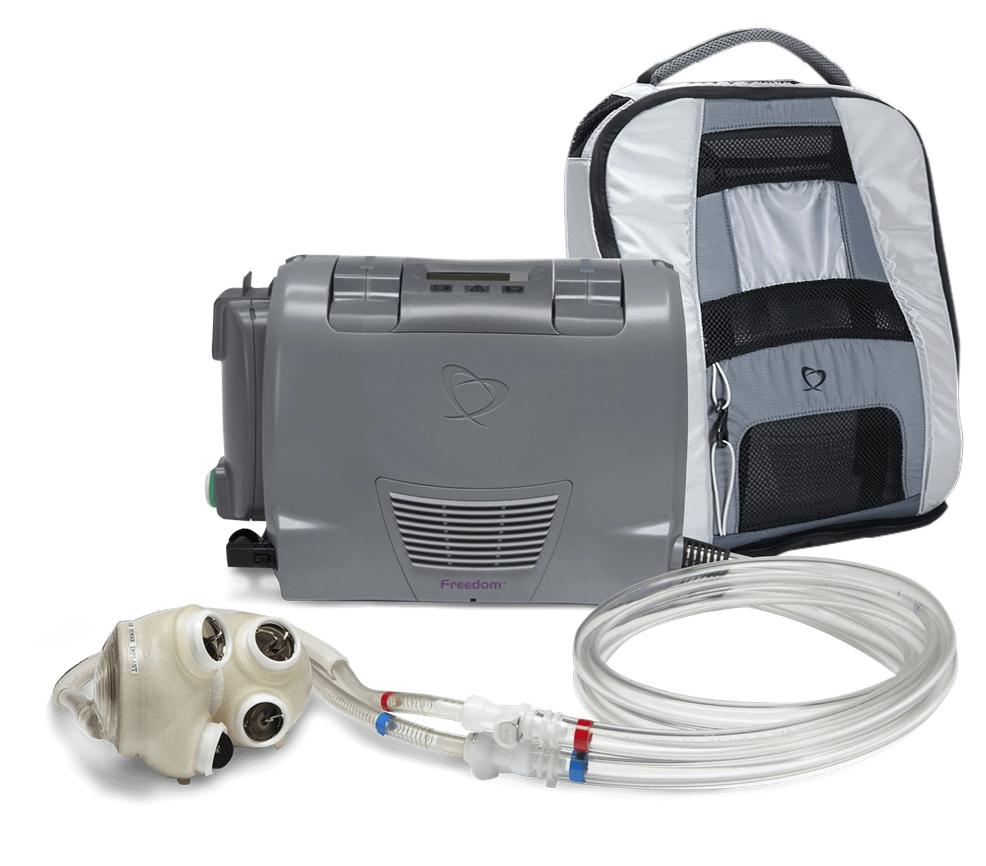
Some patients may qualify to leave the hospital based on their condition and care team’s assessment. Eligible patients may use the portable Freedom® Driver System to support mobility outside the hospital environment.
Care teams monitor recovery and evaluate eligibility for heart transplant when appropriate.
The STAH is a bridge therapy used to support patients until transplant or next treatment step.
Patients Stories
Every patient journey with the SynCardia Total Artificial Heart is unique.
These stories reflect real experiences from patients and caregivers navigating advanced heart failure, mechanical support, and recovery pathways.
Johnny
Johnny was diagnosed with cardiomyopathy after suffering a “widow-maker” heart attack. A subsequent angiogram showed that his ejection fraction was only 14%. Doctors tried multiple interventions to treat his heart failure, including stents and an implantable cardioverter defibrillator (ICD), but a few weeks later, he went into cardiac arrest.
Jaheim
Jahem was born with a congenital heart defect called hypoplastic left heart syndrome, in which the heart has just one working chamber, and he eventually received a heart transplant. However, during a routine check-up four years later, tests revealed that his donor heart was failing because of rejection.
Lance
After losing consciousness in the waiting room of his doctor’s office, Lance was rushed to the hospital. When his doctors discovered his ejection fraction was less than 10%, they knew they had to act fast.
Danielle
Danielle was born with Marfan syndrome, a genetic disorder that affects connective tissue. At age 22, her doctors discovered a massive infection of her heart had led to endocarditis. Surgeons hoped to repair the damage, but as Danielle lay sedated waiting for surgery, her heart suddenly stopped beating.