Slide

SynCardia Therapy
Ecosystem

Giving the
Gift of Time

freedom_web-986

Life-saving support today.

A continuum of care designed around the patient journey.

SynCardia develops and manufactures total artificial heart technologies for transplant-eligible patients at risk of imminent death from biventricular failure. Our FDA-approved systems are designed to support patients from implant through in-hospital recovery and, when clinically appropriate, transition to outpatient mobility while awaiting donor heart transplantation.

The SynCardia Therapy Ecosystem

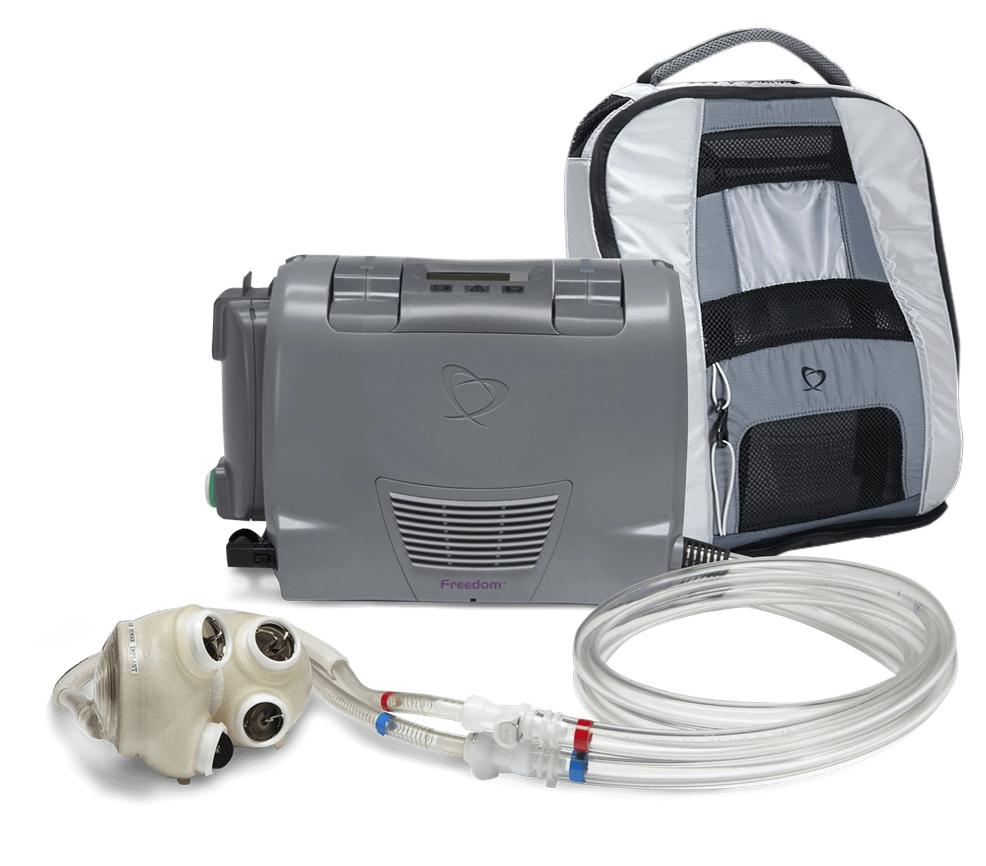
The SynCardia product portfolio includes:

One therapy pathway.

Multiple support systems.

The SynCardia ecosystem is designed to support eligible patients through each phase of treatment. While every patient experience is unique and determined by the treating clinical team, many therapy journeys may include the following progression:

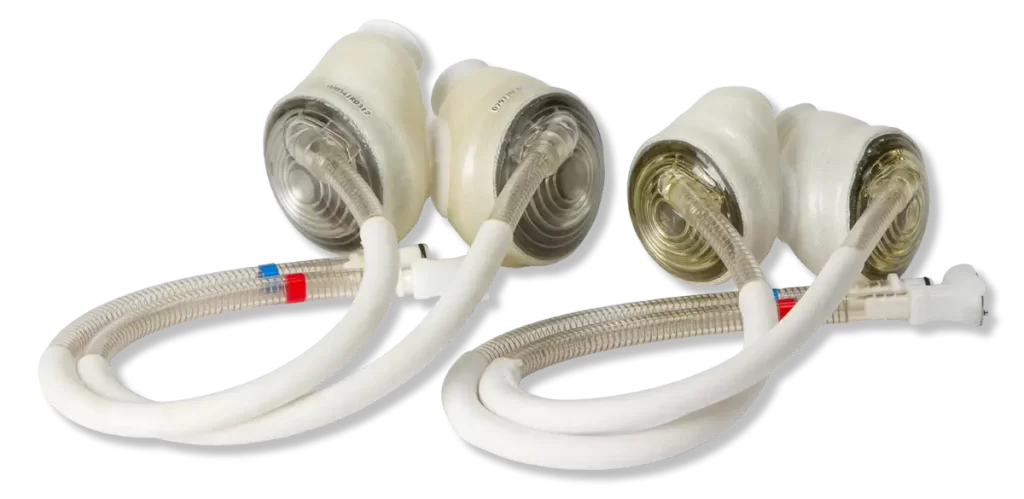
SynCardia Total Artificial Heart
Step 1

Implant with the SynCardia Total Artificial Heart

The SynCardia Total Artificial Heart replaces both failing ventricles and all four native heart valves while preserving the atria and roots of the great vessels. It is intended for use as a bridge to transplant in eligible patients at risk of imminent death from biventricular failure.

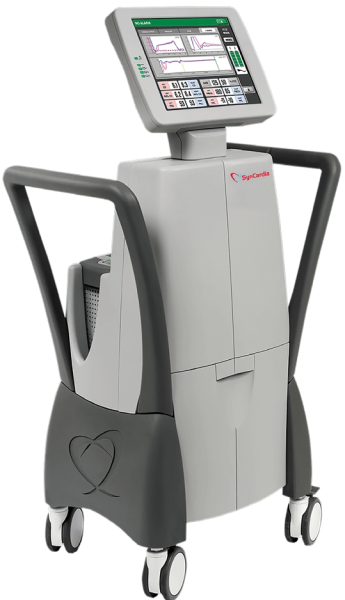
At implant, patients are supported by the Companion 2 Driver.

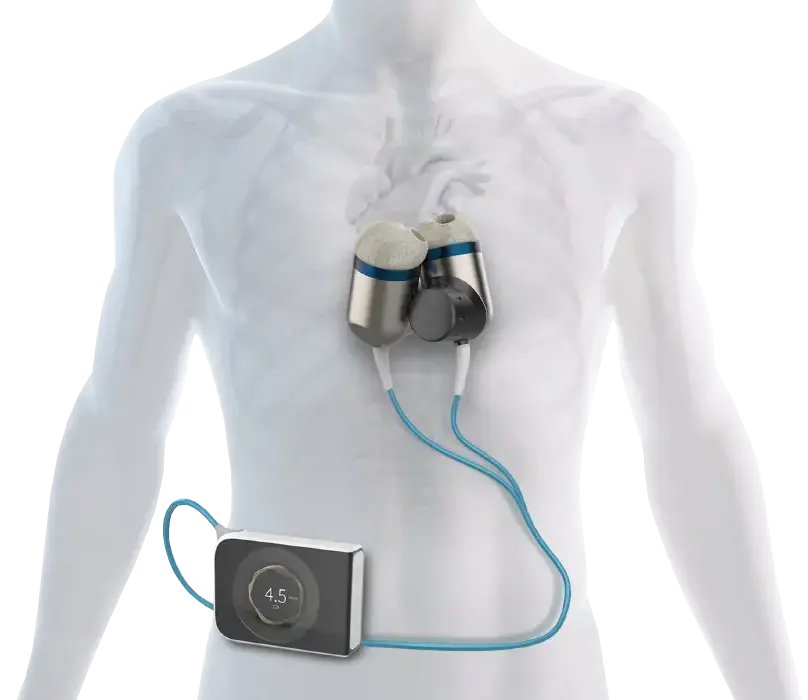
EMPEROR (Future Technology)

Next-Generation Actuation for the
SynCardia Total Artificial Heart

Picard Medical and SynCardia are developing the Emperor Drive System (EDS), a new electromechanical actuation platform for the SynCardia Total Artificial Heart (STAH), preserving its established blood-contacting architecture while advancing toward a fully implantable system. Emperor is an investigational technology under development and is not approved for commercial sale. Future regulatory milestones, timing, and commercialization plans remain subject to development progress and required approvals. Learn more →

Why the Ecosystem Matters

The SynCardia therapy pathway is designed to support continuity of care—from implant surgery through recovery and potential discharge—using integrated systems developed specifically for total artificial heart patients. This continuum can help hospitals manage advanced heart failure patients while supporting appropriate transplant pathways.